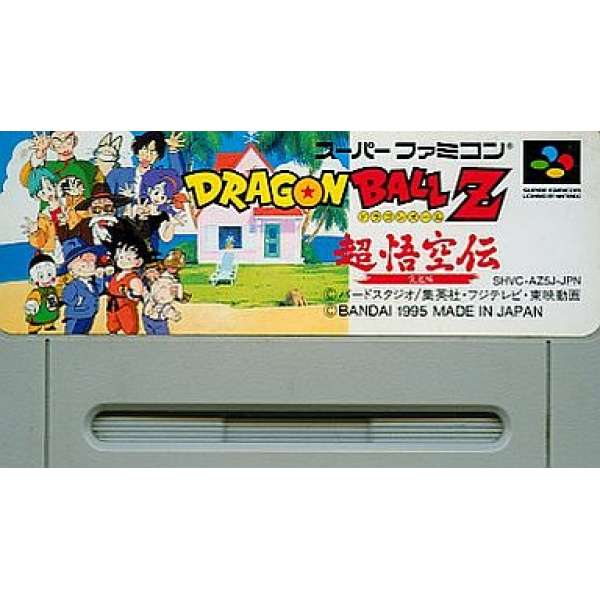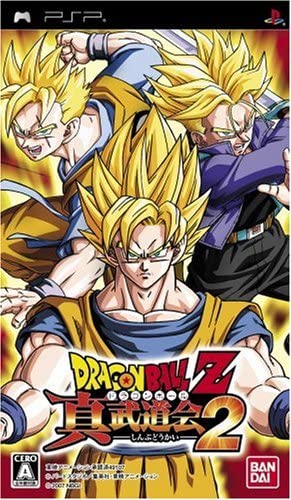
七龍珠Z 超悟空傳 -覺醒篇-
 1996-04-22
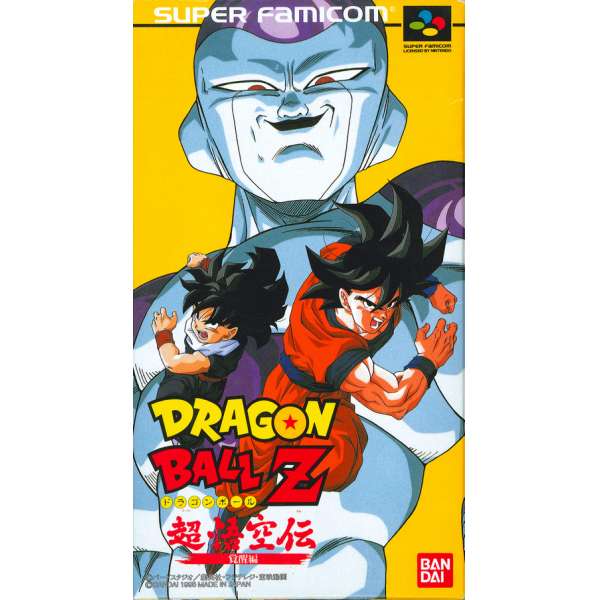
1995年9月22日於超級任天堂(SFC/SNES)推出的《七龍珠 Z 超悟空傳:覺醒篇》(ドラゴンボールZ 超悟空伝 覚醒編),是由萬代所發行的一款極具實驗性質的作品,同時也是同年《突擊篇》的續作。相較於當時主流偏重操作與對戰的龍珠遊戲,大膽轉向以劇情為核心,結合強烈的「互動式劇場」風格,讓玩家不只是操控角色戰鬥,更像是親身參與一段可被改寫的動畫故事。整體設計以第一人稱視角為主軸,帶領玩家重新經歷孫悟空從成長、挫敗到最終覺醒的重要歷程。
本作誕生於超級任天堂生命週期的後期,也正是16位元主機技術成熟的黃金時代。開發團隊並未選擇延續既有的卡片戰鬥或橫向格鬥玩法,而是融合文字冒險與即時反應機制,打造出一種近似「操作動畫」的遊戲體驗。大量劇情對話、精緻插畫與戲劇化的分鏡演出,使整體節奏更貼近動畫敘事,讓玩家在遊戲過程中感受到濃厚的沉浸感與情感張力,彷彿置身於《七龍珠Z》的世界之中。
故事承接前作劇情,從悟空與比克在天下第一武道會的宿命對決揭開序幕,象徵悟空從少年邁向成熟戰士的重要分界。隨著劇情推進,玩家將歷經拉帝茲來襲、悟空身世揭露、與達爾在荒野的生死激戰,最終進入規模宏大的納美克星篇。這段旅程充滿犧牲與絕望,夥伴們相繼倒下的過程讓整體氛圍更加沉重,而故事的高潮則落在悟空於極限情緒中爆發,覺醒為傳說中的超級賽亞人,與弗力札展開最終決戰。值得一提的是,本作導入多重分歧系統,在對話選擇或戰鬥結果上的不同,都可能導致與原作截然不同的發展,甚至進入所謂的「平行時空」結局,讓整體敘事更具可玩性與探索價值。
在操作層面,捨棄傳統自由移動的設計,將重心集中於戰鬥與劇情推進。平時玩家透過選單與文字選項進行互動,而一旦進入戰鬥,畫面會轉為充滿張力的對峙特寫。戰鬥核心建立在一種進階版「猜拳」邏輯之上,包含防禦、閃躲、氣功與物理攻擊等不同屬性。當敵人發動攻勢或系統給出提示時,玩家必須在極短時間內做出正確反應,透過按鍵組合完成防禦或反擊。此外,透過持續按壓按鍵可以累積氣力,進而釋放如界王拳或龜派氣功等強力招式,營造出瞬間爆發的爽快感。遊戲中也穿插與劇情相關的問答橋段,玩家若能正確回答,不僅能獲得額外回報,還可能觸發隱藏事件,這種設計同時考驗反應速度與對原作的熟悉程度。
在市場評價方面,以其獨特定位獲得相當鮮明的回響。對於重視劇情與演出的玩家而言,本作幾乎可說是SFC平台上最具沉浸感的龍珠遊戲之一。畫面風格高度還原鳥山明的筆觸,分鏡運鏡極具張力,多重結局的設計也大幅提升重玩價值,例如改變角色生死或戰局走向,都能帶來截然不同的體驗。音樂方面則成功營造出緊張與壓迫感,尤其在納美克星崩壞前夕,更能強化整體戲劇張力。
然而,這種強調節奏與判斷的戰鬥方式,對於習慣傳統動作或格鬥遊戲的玩家來說,可能顯得較為緩慢且缺乏直接操作的爽快感。此外,由於遊戲高度依賴文字理解與選項判斷,對不熟悉日文的玩家而言門檻較高,也間接影響其在海外市場的普及程度。
整體而言,《七龍珠 Z 超悟空傳:覺醒篇》並不是一款單純追求戰鬥刺激的作品,而更像是一部可以親手參與的互動式漫畫。它讓玩家以悟空的視角,在一次次生死關頭中做出選擇,見證一名賽亞人從平凡戰士蛻變為傳說存在的過程。這種將敘事與遊戲深度融合的設計,使其在眾多龍珠改編作品中,始終佔有一席難以取代的地位。
On September 22, 1995, Bandai released Dragon Ball Z: Super Goku Den – Awakening Chapter (ドラゴンボールZ 超悟空伝 覚醒編) for the Super Famicom (SFC/SNES), an experimental title in the series that embraced a highly interactive “theatrical” style. Serving as a sequel to the earlier Assault Chapter released the same year, the game shifted the focus from pure combat to an in-depth narrative experience, allowing players to relive Goku’s key journey from boyhood to becoming the universe’s strongest warrior from a first-person perspective.
Released during the late golden age of the Super Famicom, the game took full advantage of the 16-bit hardware, moving away from traditional card battles or side-scrolling fighting gameplay. Instead, it combined text-adventure elements with real-time reaction mechanics to create an experience akin to “playing through an animated story.” Extensive dialogue, original illustrations, and dramatic camera angles brought the narrative to life, immersing players in the world of Dragon Ball Z and heightening the emotional stakes of the story.
The plot picks up immediately after the events of the Assault Chapter, beginning with the fateful showdown between Goku and Piccolo (referred to as Demon King Piccolo in earlier translations) at the World Martial Arts Tournament—a pivotal moment symbolizing Goku’s transition from youth to maturity. The story then progresses through Raditz’s invasion and the revelation of Goku’s heritage, battles against Turles in the wilderness, and ultimately the expansive Namek Saga. Throughout this journey, allies fall one by one, creating a sense of weight and tension. The climax sees Goku reaching his emotional limits, awakening as the Legendary Super Saiyan, and facing Frieza in the ultimate showdown. Notably, the game features multiple branching paths, where choices in dialogue or battle outcomes can lead to alternate “parallel universe” endings, providing significant replay value and narrative exploration.
Gameplay abandons free movement, instead emphasizing timing and reaction-based combat. Outside of battle, players navigate dialogue and make choices through text menus. During confrontations, the game switches to intense face-off perspectives, where the core mechanics resemble an advanced “rock-paper-scissors” system encompassing defense, evasion, ki attacks, and physical strikes. Players must react quickly to on-screen prompts or enemy attacks to successfully counter or defend. Holding buttons allows ki accumulation to unleash cinematic, full-screen special attacks like the Kaio-ken or Kamehameha. Occasional in-game quizzes related to the story reward players with experience or unlock special events, testing both reaction speed and familiarity with the original Dragon Ball storyline.
Critically, Super Goku Den – Awakening Chapter was praised for its unique approach, particularly by players who valued story depth. The visuals faithfully replicate Akira Toriyama’s art style, with dramatic camera angles enhancing the sense of narrative pacing. Multiple endings, including altering character fates or battle outcomes, significantly increase replayability. The music heightens tension, particularly during the climax on Namek, reinforcing the story’s dramatic stakes.
However, the focus on timing-based interactions and menu-driven combat can feel slow and less immediately gratifying for players accustomed to traditional fighting games. Additionally, the reliance on text and choice comprehension made the game less accessible to non-Japanese speakers, limiting its international reach.
Overall, Dragon Ball Z: Super Goku Den – Awakening Chapter is more than a conventional combat game; it is an interactive manga brought to life. Players experience Goku’s perspective through life-or-death moments, witnessing a Saiyan’s transformation from an ordinary fighter into a legendary Super Saiyan. Its seamless integration of narrative depth and gameplay ensures its enduring status as one of the most unique and immersive adaptations of the Dragon Ball series.
運費計算方式:
貨款滿1000元運費外加90元
貨款1000以下:買1件運費外加 60元,買2件運費外加 70元,
買3件運費外加 80元 ,買4件運費外加 90元
貨到付款外加30元手續費
外島及大陸地區運費另計
付款方式:
線上刷卡:本站採用Paypal線上刷卡
虛擬帳號匯款:屬於您專屬的虛擬帳戶,方便站長查帳使用,本站強力推薦
實體ATM匯款:請將匯款帳號記錄下來至各大銀行ATM提款機轉帳
超商條碼繳費:請列印本站提供的條碼至四大超商繳費
線上轉帳:透過玉山銀行線上ATM轉帳(此系統只支援IE瀏覽器)
貨到付款:本站採用黑貓宅急便貨到付款
其他注意事項:
如需購買線上點數卡請直接跟站長連絡,本站不提供點數卡的線上付款
-
七龍珠Z 超悟空傳 -覺醒篇-
- 定 價:
- 售 價: 0.00
- 庫存量: 0 套
- 已賣出: 0 套
人氣指數: 1 / 6 顆星 -
極限競速:地平線 2
- 定 價:
- 售 價: 1690.00
- 庫存量: 0 套
- 已賣出: 0 套
 人氣指數: 0.4 / 6 顆星
 -
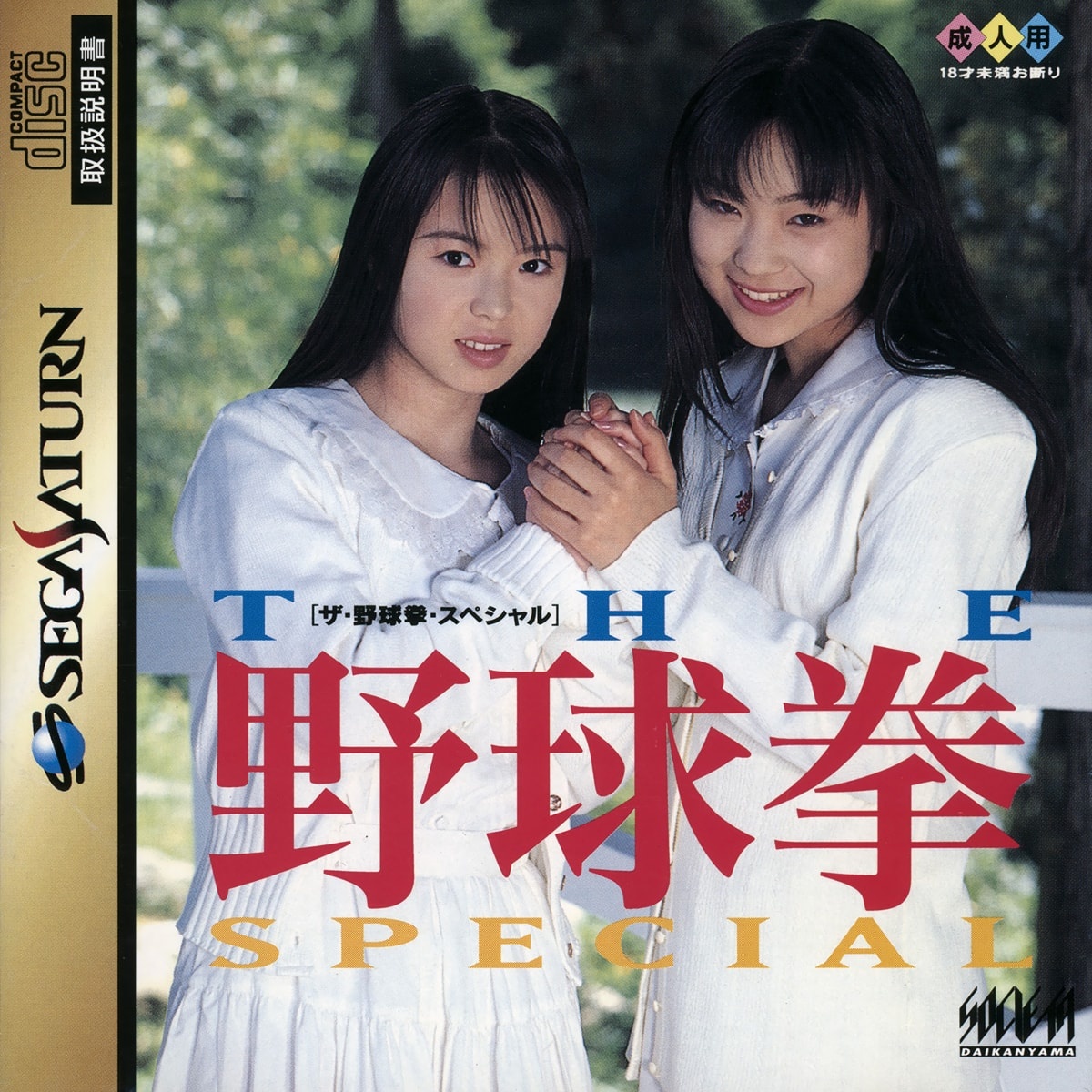
野球拳特别版 今夜12回戰
- 定 價:
- 售 價: 0.00
- 庫存量: 0 套
- 已賣出: 0 套
 人氣指數: 0 / 6 顆星
 -
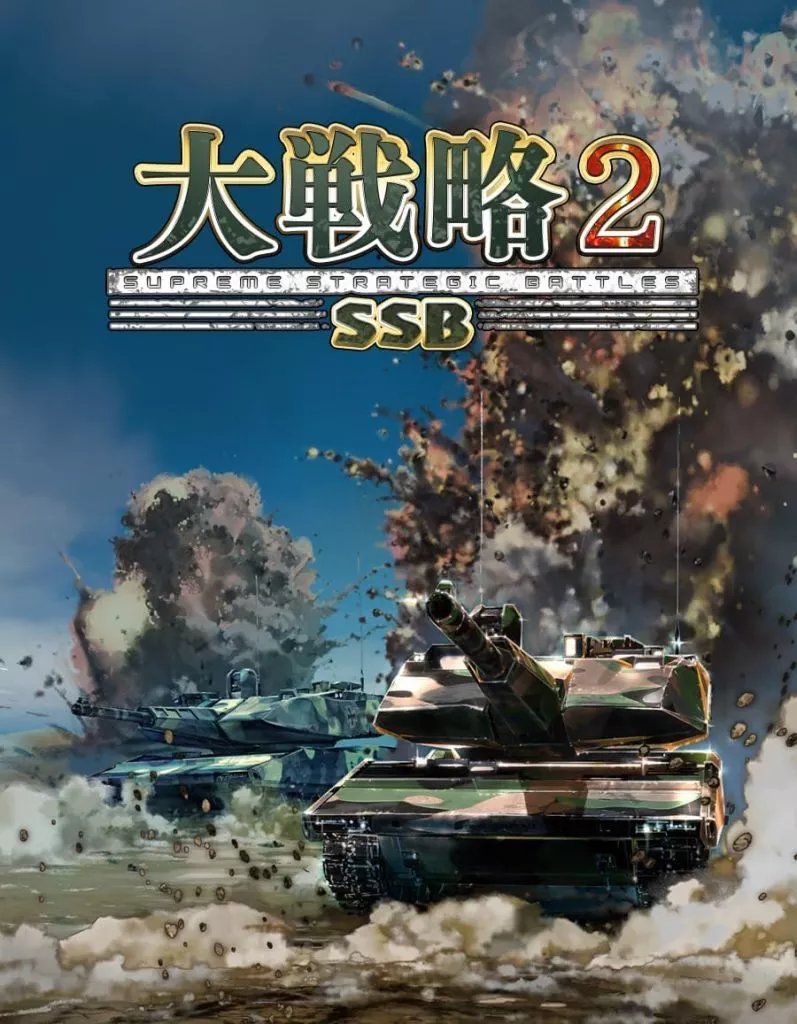
大戰略SSB2
- 定 價: 8,778円
- 售 價: 0.00
- 庫存量: 0 套
- 已賣出: 0 套
人氣指數: 0.5 / 6 顆星