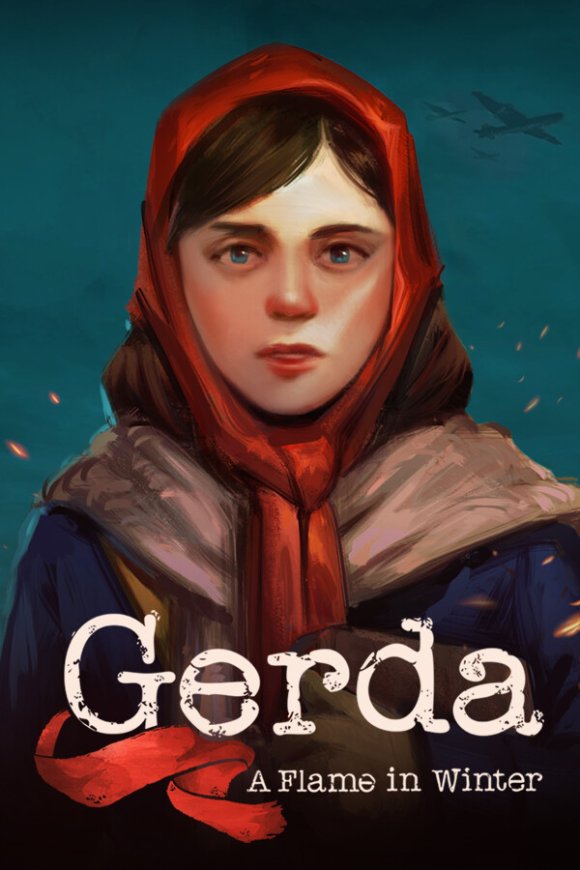
格爾達:冬天的火焰
《格爾達:冬天的火焰》(Gerda: A Flame in Winter)是以歷史為背景、敘事為核心的RPG-lite遊戲,將玩家帶入二戰末期被納粹佔領的丹麥,以一名平凡卻被迫做出不平凡抉擇的女性視角,描繪戰爭陰影下的人性、道德與生存掙扎。遊戲的時間設定在1945年2月,戰爭即將結束,但對主角而言,真正的戰鬥才正要開始。
故事中,玩家扮演年輕的護士格爾達・拉森。她的丈夫安德斯突然遭到蓋世太保逮捕,而你只有短短五天的時間,試圖找出拯救他的辦法。格爾達身處於一個高度緊張、彼此猜疑的社會環境中,她既是醫護人員、也是妻子,同時還是丹麥社群的一份子。每一個選擇,都在「拯救至親」與「對社會與良心負責」之間拉扯,沒有絕對正確的答案,只有後果。
遊戲的敘事方式細膩而壓抑,透過大量對話與事件,讓玩家逐步理解被佔領時期普通民眾的生活狀態。會面臨各式各樣的道德難題,例如是否要將有限的物資交給眼前急需幫助的人,即使這可能導致自己或他人在未來陷入危險;又或者,身為護士的你,是否該醫治一名痛苦不堪的傷者,即便知道他日後可能成為加害他人的存在。這些抉擇不只影響當下,更會在後續劇情中逐漸發酵,帶來長期影響。
在操作與玩法層面,本作並非傳統強調戰鬥的RPG,而是以探索、調查與對話為主軸。需要在有限的時間內,決定每天要前往哪些地點、與哪些人接觸。城市中的人物會隨時間移動,事件也具有時效性,錯過某個時機,可能就再也無法挽回某段關係或關鍵線索。資源管理同樣重要,物資不僅能用來生存,也常在對話與事件中成為影響他人態度的關鍵。
角色成長系統則體現在格爾達的「心理與人格技能」上。透過在日記中反思自身經歷,可以獲得人格點數,並強化如說服力、洞察力、冷靜或同理心等能力。這些技能能在關鍵對話或事件中解鎖特殊選項,幫助你取得信任、掩飾真實意圖,或避免引起懷疑。與不同人物、勢力之間的關係,將直接左右劇情走向,也決定哪些結局能夠被觸發。
遊戲特別強調「沒有完美解法」。即使努力保持中立、試圖不傷害任何一方,現實仍會迫使選邊站,或付出無法避免的代價。可以選擇不惜一切代價拯救安德斯,也可以堅守自己的道德底線,但無論選擇哪條道路,都將改變社群的命運,並留下難以抹去的痕跡。
整體而言,《格爾達:冬天的火焰》是沉重卻極具力量的敘事體驗。它透過一名女性在戰爭末期的個人視角,讓玩家深刻感受到歷史洪流下的無力感與責任感。遊戲不試圖給予英雄式的勝利,而是讓你在殘酷現實中「盡力而為」,並承擔選擇的後果。對於想要理解戰爭時代平民處境、以及道德抉擇複雜性的玩家而言,這是一部極具深度與情感重量的作品。
Gerda: A Flame in Winter is a narrative-driven RPG-lite set against a historical backdrop, placing players in occupied Denmark during the final months of World War II. Through the perspective of an ordinary woman forced into extraordinary choices, the game explores themes of humanity, morality, and survival under the shadow of war. The story begins in February 1945: the war is nearly over, but for the protagonist, the true struggle is only just beginning.
Players take on the role of Gerda Larsen, a young nurse whose husband, Anders, has been suddenly arrested by the Gestapo. With only five days to act, Gerda must search for ways to save him. She exists at the intersection of multiple identities—medical professional, wife, and member of a tightly knit community living under occupation. Every decision she makes pulls her between the desperate need to save the person she loves and the responsibility she feels toward her community and her own conscience. There are no clearly right answers, only consequences that must be endured.
The game’s storytelling is intimate and oppressive, conveyed through extensive dialogue and carefully constructed events that reveal the daily realities of life under occupation. Players are constantly confronted with moral dilemmas: should you give away scarce resources to someone who needs them now, even if that choice may endanger you or others later? As a nurse, do you help someone in severe pain, knowing they may go on to cause suffering to others? These decisions do not resolve cleanly; instead, they ripple forward, shaping future events and relationships in subtle but lasting ways.
From a gameplay perspective, Gerda: A Flame in Winter moves away from combat-focused RPG conventions and instead centers on exploration, investigation, and conversation. With limited time available, players must carefully choose where to go each day and whom to speak with. Characters move around the city on their own schedules, and many events are time-sensitive—miss the right moment, and an opportunity or vital piece of information may be lost forever. Resource management is equally important, as supplies are not only essential for survival but also frequently influence the outcomes of interactions and negotiations.
Character progression is reflected through Gerda’s mental and personality skills. By reflecting on her experiences in her diary, Gerda gains personality points that can be invested in abilities such as persuasion, insight, composure, or empathy. These skills unlock special options during conversations and events, allowing players to gain trust, conceal their intentions, or avoid arousing suspicion. Relationships with individuals and factions play a decisive role in how the narrative unfolds and which endings become available.
A defining feature of the game is its insistence that there are no perfect solutions. Even attempts to remain neutral or avoid harming others can lead to painful outcomes, as circumstances repeatedly force difficult choices. Players may decide to do whatever it takes to save Anders, or they may cling firmly to their moral principles, but either path will alter the fate of the community and leave lasting marks on Gerda’s story.
Overall, Gerda: A Flame in Winter offers a heavy yet powerful narrative experience. By focusing on a woman’s personal struggle at the end of the war, the game captures both the helplessness and the sense of responsibility felt by civilians caught in the tide of history. Rather than offering heroic triumph, it asks players to do their best in an unforgiving reality and to live with the consequences of their choices. For those seeking insight into the civilian experience of wartime and the complexity of moral decision-making, this is a deeply affecting and thoughtful work.
Gerda: A Flame in Winter is a narrative-focused RPG-lite set against a historical backdrop, drawing players into Nazi-occupied Denmark during the final stages of World War II. Through the perspective of an ordinary woman forced to make extraordinary choices, the game portrays the struggles of humanity, morality, and survival under the shadow of war. The story is set in February 1945: the war is nearing its end, but for the protagonist, the real battle is only just beginning.
Players assume the role of Gerda Larsen, a young nurse whose husband, Anders, is suddenly arrested by the Gestapo. With only five days at her disposal, Gerda must search desperately for a way to save him. She lives in a society defined by tension and mutual suspicion, where she is simultaneously a medical professional, a wife, and a member of the Danish community. Every choice she makes pulls her between the need to save her loved one and the responsibility she feels toward society and her own conscience. There are no absolutely correct answers—only consequences.
The game’s storytelling is subtle and oppressive, conveyed through extensive dialogue and carefully designed events that gradually reveal the realities of everyday life under occupation. Players face a wide range of moral dilemmas, such as whether to give limited supplies to someone in immediate need, even if that decision may place themselves or others in danger later on. As a nurse, Gerda must also decide whether to treat someone suffering intensely, even when she knows that person may later go on to harm others. These choices affect not only the present moment but also ripple through the narrative, producing long-term consequences.
In terms of gameplay and controls, the title does not follow traditional combat-focused RPG design. Instead, it emphasizes exploration, investigation, and dialogue. Within a limited time frame, players must decide where to go each day and whom to interact with. Characters move around the city according to their own schedules, and many events are time-sensitive—miss the right moment, and a relationship or crucial clue may be lost forever. Resource management is equally important, as supplies are vital not only for survival but also frequently serve as key factors influencing others’ attitudes during conversations and events.
Character progression is represented through Gerda’s mental and personality skills. By reflecting on her experiences in her diary, players earn personality points that can be used to strengthen abilities such as persuasion, insight, composure, or empathy. These skills unlock special options during key conversations or events, helping players gain trust, conceal their true intentions, or avoid arousing suspicion. Relationships with different individuals and factions directly shape the direction of the story and determine which endings become available.
The game places strong emphasis on the idea that there are “no perfect solutions.” Even when players strive to remain neutral or avoid harming anyone, reality often forces them to take sides or pay unavoidable costs. You may choose to save Anders at any cost, or you may hold firmly to your moral principles, but either path will alter the fate of the community and leave lasting marks that cannot be erased.
Overall, Gerda: A Flame in Winter is a heavy yet deeply powerful narrative experience. Through the personal perspective of a woman living at the end of the war, the game allows players to feel both the helplessness and the sense of responsibility faced by civilians caught in the tide of history. Rather than offering heroic victory, it asks players to do their best within a harsh reality and to live with the consequences of their choices. For those seeking insight into civilian life during wartime and the complexity of moral decision-making, this is a work of remarkable depth and emotional weight.
運費計算方式:
貨款滿1000元運費外加90元
貨款1000以下:買1件運費外加 60元,買2件運費外加 70元,
買3件運費外加 80元 ,買4件運費外加 90元
貨到付款外加30元手續費
外島及大陸地區運費另計
付款方式:
線上刷卡:本站採用Paypal線上刷卡
虛擬帳號匯款:屬於您專屬的虛擬帳戶,方便站長查帳使用,本站強力推薦
實體ATM匯款:請將匯款帳號記錄下來至各大銀行ATM提款機轉帳
超商條碼繳費:請列印本站提供的條碼至四大超商繳費
線上轉帳:透過玉山銀行線上ATM轉帳(此系統只支援IE瀏覽器)
貨到付款:本站採用黑貓宅急便貨到付款
其他注意事項:
如需購買線上點數卡請直接跟站長連絡,本站不提供點數卡的線上付款