龍鳳神偷
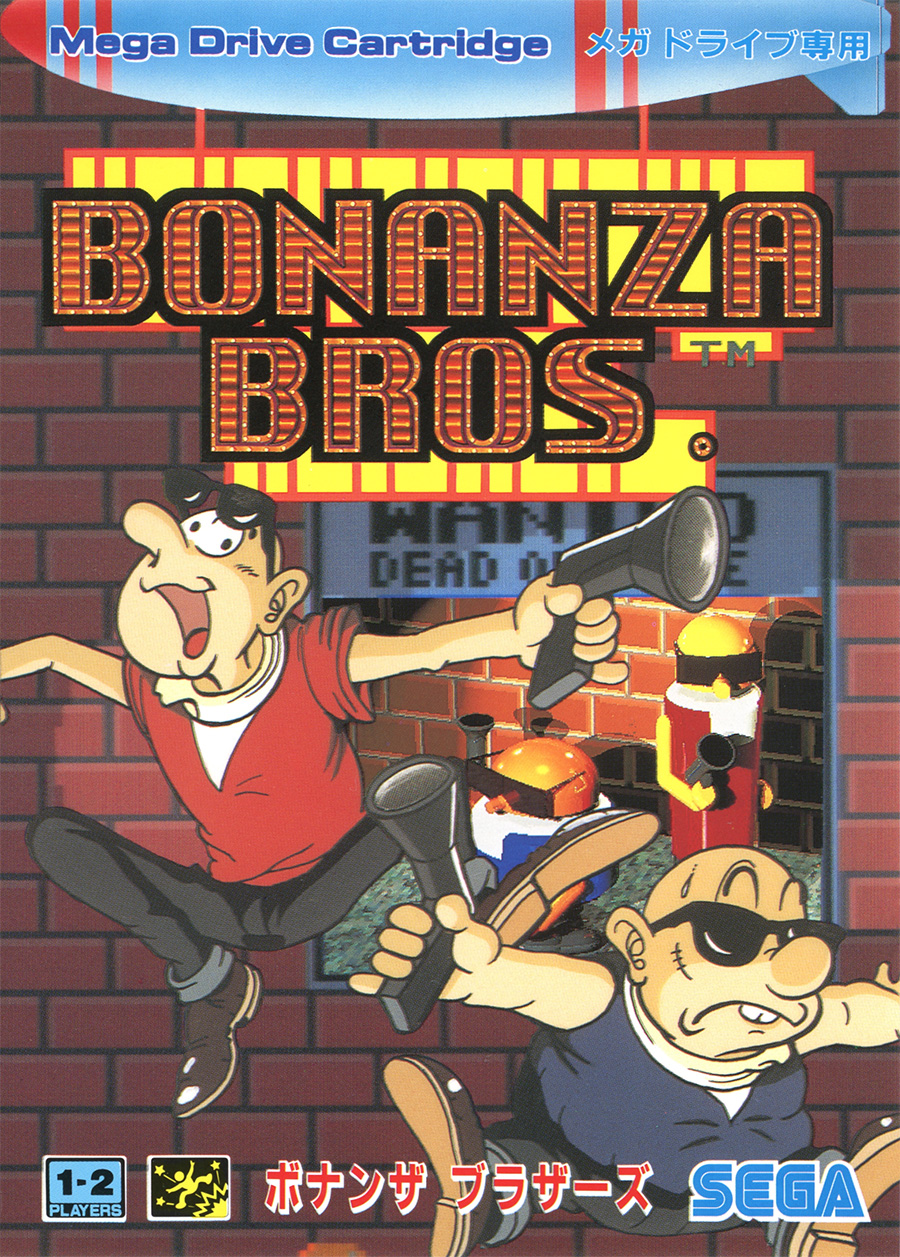
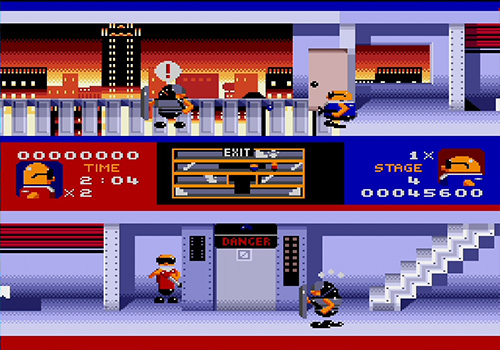
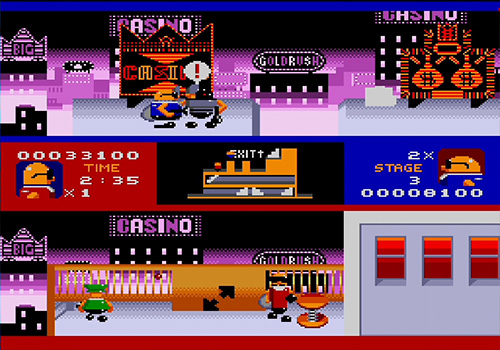
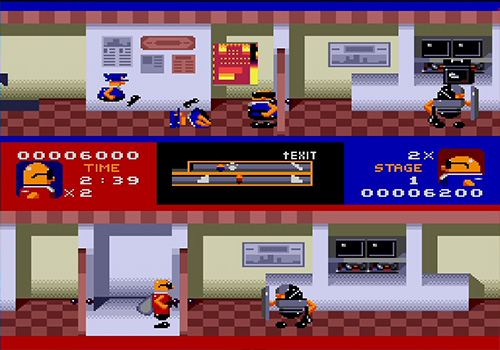
《龍鳳神偷》(Bonanza Bros.)是SEGA於1990年推出的橫向卷軸動作遊戲,最初以街機System 24基板運行。遊戲以獨特的CG風格角色、具喜劇節奏的動作呈現,以及罕見的分屏雙人合作模式而受到注目。上市後,它在日本與歐美市場皆獲得良好評價,並因風格鮮明而被多次移植到Mega Drive、Master System與其他家用電腦平台,也經常出現在SEGA各類經典合輯之中。整體視覺採用類似黏土動畫的可愛人偶造型,動作簡潔卻帶有強烈喜感,使遊戲氛圍輕鬆中帶著些許諷刺。上下分割畫面的雙人同玩系統,更讓兩名玩家能夠各走各的路線,互不干擾又能互相協助,這種玩法在當年的街機市場極為少見,亦成為本作獨樹一格的魅力來源。
故事的主角是兩位臭名昭彰、但實際賞金微薄的職業大盜──瘦高的ROBO與圓胖的MOBO。雖然是地下世界熟知的神偷兄弟,他們卻在某天收到了一份耐人尋味的委託:有人希望他們潛入惡名昭彰的「Bad Town」,搜集當地遍布的非法證據,揭露掌權者與犯罪勢力的黑幕。這項任務表面上依舊是偷竊,但目的卻是協助遭壓迫的居民找出「不法行為的證據」。這讓整個劇情呈現一種荒謬又諷刺的「羅賓漢式盜賊英雄」氣氛──他們仍是小偷,但似乎做著比警察更正義的事情。兩兄弟便如此展開行動,從銀行、富豪宅邸直到偽造幣廠與豪華客輪,各種地區都布滿嚴密警備與陷阱,在緊張與搞笑交錯的節奏中完成任務。
玩法表面看似簡單,但實際上將潛行、動作與節奏控制巧妙融合。必須在三分鐘的倒數之內收集關卡內的所有證物,再前往屋頂搭乘飛空艇撤離。角色以八方向搖桿控制移動,並以兩個按鈕操作跳躍與射擊。可以藏身於牆後、櫃子後或階梯下方,以環境物件遮蔽視線等待敵人走遠,甚至能用門拍暈巡邏保安、或善用場景道具製造混亂。敵人被擊中後不會死亡,只會短暫昏迷並很快爬起,這使玩家無法以消滅所有敵人的方式通關,而必須思考行進路線與節奏。若遭子彈、炸彈或敵人的敲擊擊中,角色便會倒地並失去生命,使限時與危險感交織成具有壓力的動作體驗。
敵人的設計更增添遊戲的喜劇節奏。他們的行為多半誇張又滑稽,有的會大意掉盤子,有的會睡著,有的甚至會因絆到障礙物而跌倒。然而也有極具威脅性的類型,例如射擊頻繁的藍衣警衛、能以盾牌完全格擋攻擊的防暴兵、快速探出掩體射擊的淡藍警衛,以及丟擲炸彈且必須連續射擊多次才可擊倒的暴力大漢。這些多變的敵人類型讓每一關的節奏都有不同挑戰,使整個遊戲顯得簡單易懂卻富含深度。
關卡舞台的設定充滿荒誕趣味。全作共有十二大關(視平台而略有差異),從銀行、富豪宅邸、造幣工廠,到博物館、豪華客輪乃至金字塔,場景跨越現代與奇異元素。每個關卡都散布著不同位置的證物,必須在有限時間內快速而安靜地完成收集。舞台內充滿可以互動的環境物件,如門、箱子與櫃子,讓地形成為玩家進行策略與即時反制的重要工具。
綜觀市場評價,《龍鳳神偷》於90年代初在街機市場大受歡迎,它以輕快節奏、幽默風格以及罕見的分屏雙人合作留下深刻印象。許多玩家形容它是「帶著搞笑味的潛行動作遊戲」,在當時屬相當前衛的企劃。家用版推出後,它更成為 SEGA 多份經典合輯中的常客,被視為最適合雙人遊玩的合作動作名作之一。雖然官方並未推出直接續作,但本作的角色風格深受玩家喜愛,SEGA 後來以類似美術與幽默基調創作《Tant-R》系列益智派對作品,也算是本作精神的延續。
Bonanza Bros. is a side-scrolling action game released by SEGA in 1990, originally running on the arcade System 24 hardware. The game quickly stood out thanks to its distinctive CG-style character designs, comedic timing, and its unusual split-screen two-player cooperative mode. After launch, it was well received in both Japan and Western markets, and its unique style led to numerous ports, including versions for the Mega Drive, Master System, and various home computer platforms. It has also been included in many of SEGA’s classic game compilations. The visuals resemble clay-animation dolls with charming, exaggerated movements, creating a light-hearted atmosphere with a slightly satirical undertone. The vertically split-screen system allows two players to explore the same stage independently—following separate routes while still being able to help each other—making it one of the most distinctive arcade multiplayer experiences of the early 1990s.
The story follows two infamous yet ironically underpaid professional thieves: the tall, slim Robo and his rounder, shorter brother Mobo. Although the duo is well known throughout the criminal underworld, their lives take a strange turn when they receive a mysterious request. They are asked to infiltrate the crime-ridden district known as Bad Town, gather evidence of widespread illegal activity, and expose the corrupt officials and criminal syndicates running the city. Despite being another heist on the surface, their mission is essentially to help oppressed residents by uncovering proof of wrongdoing. This gives the narrative a humorous “Robin Hood–style anti-hero” twist—they’re thieves, yet acting more like vigilantes than the authorities themselves. Robo and Mobo thus embark on a series of infiltration missions, breaking into places such as banks, mansions, counterfeiting plants, cruise liners, and other heavily secured locations filled with guards and traps, blending tension and comedy throughout the adventure.
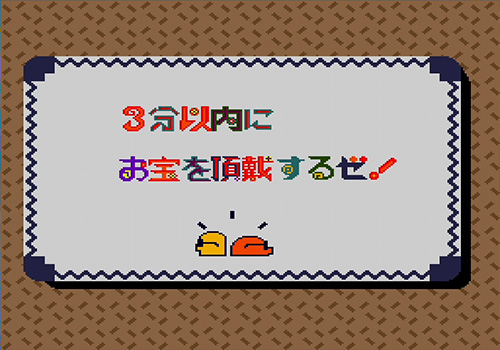
While the gameplay looks simple at first glance, it blends stealth, action, and pacing in a clever and distinctive way. Players must collect all evidence items in each stage within a strict three-minute timer, then escape via an airship waiting on the rooftop. Characters move in eight directions and use two buttons for jumping and shooting. Players can hide behind walls, cabinets, or stairways to stay out of sight, waiting for guards to move away before advancing. Doors and environmental objects can be used strategically—such as slamming a door into a patrolling guard or causing distractions to slip past enemies. Notably, enemies never die: when shot, they are only knocked out briefly before getting back up. This means players cannot simply eliminate all threats and must instead plan routes and manage timing carefully. Taking damage from bullets, bombs, or melee hits will cause the character to collapse and lose a life, adding constant tension under the time limit.
Enemy behavior contributes greatly to the game’s comedic charm. Their actions are exaggerated and often silly—some doze off, some drop plates, and some clumsily trip over obstacles. Yet several types pose real danger: blue-uniform guards who fire frequently, riot shield guards who completely block frontal attacks, light-blue guards who pop out from cover for quick shots, and large thugs who throw bombs and require multiple hits to knock out. This variety ensures that each stage carries its own rhythm and set of challenges, giving the game surprising depth beneath its simple surface.
The stage design further enhances the game’s quirky tone. There are twelve main levels (with minor variations across platforms), ranging from banks and mansions to mint factories, museums, luxury liners, and even a pyramid. Evidence items are scattered throughout each area, requiring players to move swiftly and quietly within the time limit. Interactive environmental elements—such as doors, boxes, and cabinets—play important roles in both stealth and strategy, making the terrain an integral part of gameplay.
In terms of reception, Bonanza Bros. was a notable arcade hit in the early 1990s. Its upbeat pacing, humorous style, and innovative split-screen cooperative play left a strong impression on players. Many described it as a “comedic stealth-action game,” a concept that felt quite ahead of its time. After the home versions were released, it became a recurring title in SEGA’s classic collections and is still frequently cited as one of the best two-player cooperative action games of the era. Although it never received a direct sequel, the charming character designs remained popular, prompting SEGA to create the Tant-R series of puzzle party games as a spiritual successor that carried forward the same visual and comedic spirit.
運費計算方式:
貨款滿1000元運費外加90元
貨款1000以下:買1件運費外加 60元,買2件運費外加 70元,
買3件運費外加 80元 ,買4件運費外加 90元
貨到付款外加30元手續費
外島及大陸地區運費另計
付款方式:
線上刷卡:本站採用Paypal線上刷卡
虛擬帳號匯款:屬於您專屬的虛擬帳戶,方便站長查帳使用,本站強力推薦
實體ATM匯款:請將匯款帳號記錄下來至各大銀行ATM提款機轉帳
超商條碼繳費:請列印本站提供的條碼至四大超商繳費
線上轉帳:透過玉山銀行線上ATM轉帳(此系統只支援IE瀏覽器)
貨到付款:本站採用黑貓宅急便貨到付款
其他注意事項:
如需購買線上點數卡請直接跟站長連絡,本站不提供點數卡的線上付款
-
龍鳳神偷
- 定 價:
- 售 價: 0.00
- 庫存量: 0 套
- 已賣出: 0 套
 人氣指數: 0.3 / 6 顆星
 -
SFC 星戰火狐 完整攻略
- 定 價: 833円
- 售 價: 0.00
- 庫存量: 0 套
- 已賣出: 0 套
人氣指數: 0.7 / 6 顆星