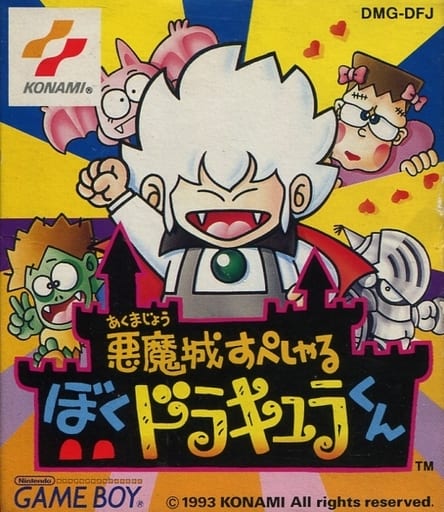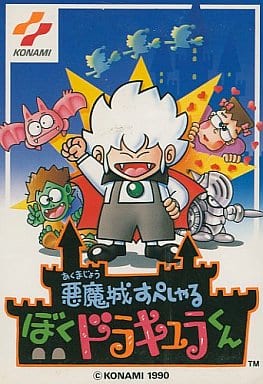
惡魔城外傳 少年德古拉君 / 王子傳奇
《惡魔城外傳 少年德古拉君》(Kid Dracula)是KONAMI在1990年代推出的惡魔城系列惡搞外傳,它以完全不同於本傳的方式重新演繹惡魔城世界。這款作品的風格輕鬆、搞笑、卡通化,以可愛的Q版造型與惡作劇式的喜劇氛围取代本篇系列一貫的哥德陰暗風格。雖然定位是惡搞外傳,但遊戲的系統、動作手感與關卡設計卻相當紮實,甚至比當時一些本傳作品更具創意。Game Boy版本則是Famicom原作的再構成與重新詮釋,兩者雖不完全連續,卻都圍繞在同一位可愛又中二的小主角──吸血鬼大魔王的兒子「少年德古拉君」。
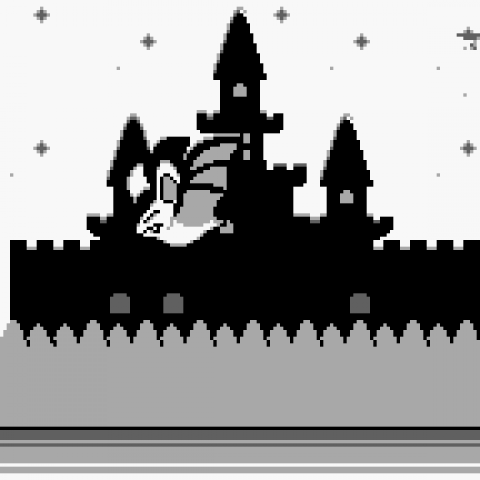
劇情以一種誇張又喜劇性的方式開展。沉睡一萬年的德古拉君在自家城堡中甦醒,第一句話竟然是想喝一杯「新鮮番茄汁」。正當他懶洋洋地看著電視時,原本忠心的門衛蝙蝠突然出現,卻不是前來問候,而是直接咬他一口,並高喊「加拉莫斯大王萬歲!」德古拉君於是震驚地發現,自己在睡夢中錯過魔界的巨大變化,昔日屬下大多倒戈,新的魔界支配者「加拉莫斯」已經奪走整個魔界的統治權。面對這種荒謬而可笑的處境,小魔王終於爆氣,披上父親留下的披風,發誓要奪回象徵大魔王的王位,自此開始一場名義上稱為「討伐魔王」、實際上卻充滿惡作劇和笑料的冒險旅途。
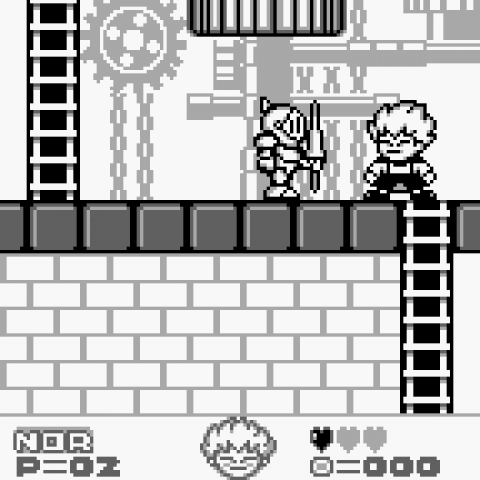
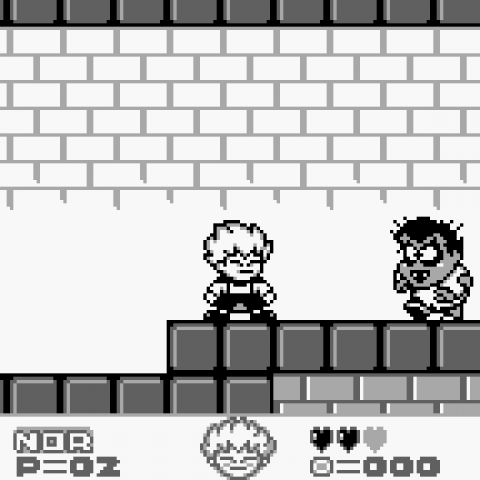
雖然是惡搞外傳,但動作系統卻意外地精緻。不同於原本惡魔城系列跳躍僵硬、動作沈重,新加入空中控制系統,使跳躍的機動性大幅提升,操作感甚至更接近後期與現代平台動作遊戲,節奏更加輕快。基本攻擊為「妖氣彈」,可透過連打發射,也能蓄力形成強化射擊。而最特別的是,會在通關後逐漸習得各式各樣的魔法與特殊能力,例如能追蹤敵人的火球、能將敵人凍結成可踩平台的冰彈、讓重力反轉使他能在天花板行走的能力,甚至能變身蝙蝠短暫飛行。這些技能為遊戲帶來豐富的戰術與移動方式,也讓每一關的打法與體驗都有新的變化。
關卡風格也極端跳脫本傳的陰森世界觀,從惡魔城本身一路延伸至雲端飛船、搞笑版紐約街頭、水底世界、未來工廠,甚至到達外太空,每一個場景都充滿幽默感和惡搞意圖,形塑出一種童趣與奇幻混合的獨特冒險氛圍。音樂方面,本作採取輕快、俏皮、節奏明亮的曲調,不但符合整體風格,更具鮮明記憶點,甚至將《惡魔城傳說》知名樂曲〈Beginning〉重新改編成帶有滑稽感的版本作為開場關主題曲,讓老玩家會心一笑。
然而,輕鬆的外皮下仍藏著KONAMI當年特有的硬派動作遊戲魂。遊戲前半段節奏舒適,但在後期難度會突然飆升,其中最臭名昭著的便是第七關的「高速縱向強制卷軸軌道電梯」。這一關稍微踩空便瞬間墜落死亡,既無法作弊、也無法依靠技能跳關,必須完全用硬實力通關。最後的第九關更是集結多名中Boss、最終魔王加拉莫斯、沒有補血、死後只剩最低體力等苛刻條件,是許多玩家的惡夢。而遊戲的密碼系統僅能記錄到第七關,使得想挑戰後期內容時必須多次重玩令人聞風喪膽的關卡,增加了整體挫折感。
儘管難度後期偏硬,這仍然是備受玩家肯定的佳作。操作順暢、動作回饋良好、技能設定富有創意,整體品質遠高於一般惡搞作品的標準。在懷舊圈中更因長期未重製、移植稀少,而被視為珍貴又獨特的外傳。直至《Castlevania Anniversary Collection》的推出,Kid Dracula才終於再度在現代平台亮相,讓許多年輕玩家得以重新認識這款可愛又精緻的惡魔城分支作品。
總體而言,《惡魔城外傳 少年德古拉君》是風格獨特、氣氛輕鬆、依舊保有高品質動作設計的亮眼之作。既保留惡魔城的象徵元素,又以完全不同的幽默風格演繹,成為眾多惡魔城玩家心中最「可愛」、最特別的一部外傳。無論是懷念FC/GB時代風味,或想體驗與本傳截然不同的惡魔城魅力,都絕對值得一玩。
“Kid Dracula,” a comedic spin-off of the Castlevania series released by Konami in the 1990s, reinterprets the Castlevania universe in a way completely different from the mainline titles. Instead of the series’ signature gothic darkness, this game adopts a lighthearted, humorous, and cartoon-like presentation, featuring adorable super-deformed characters and a mischievous comedic tone. Although positioned as a parody spin-off, its gameplay systems, controls, and stage design are surprisingly well-crafted—arguably even more inventive than some contemporaneous mainline Castlevania entries.
The Game Boy version serves as a reconstruction and reinterpretation of the original Famicom release. While not a direct continuation, both versions center on the same cute yet bratty protagonist: the son of the vampire overlord, the young “Kid Dracula.”
The story unfolds in an exaggerated, comedic manner. After sleeping for ten thousand years, Kid Dracula awakens in his castle, and the first thing he asks for is a cup of “fresh tomato juice.” As he lounges in front of the TV, his once-loyal bat gatekeeper suddenly appears—not to greet him, but to bite him and shout, “Long live Lord Galamoth!” Shocked, Kid Dracula realizes that during his slumber, drastic changes swept through the demon realm: many of his former servants defected, and a new ruler, Galamoth, has seized control. Faced with this absurd situation, the little demon lord finally loses his temper, dons the cape left by his father, and vows to reclaim his rightful throne. Thus begins an adventure that supposedly aims to “defeat the new demon king,” but is in practice filled with pranks, jokes, and chaotic fun.
Despite being a humorous spin-off, the action system is unexpectedly refined. Unlike the stiff jumps and heavy movements of early Castlevania titles, Kid Dracula introduces full mid-air control, greatly improving mobility and giving it a feel closer to modern platformers. The basic attack is a “dark fireball,” which can be fired rapidly or charged for a stronger blast. As players progress, Kid Dracula also learns a variety of magical abilities, such as homing shots, ice blasts that freeze enemies into platforms, gravity reversal enabling him to walk on ceilings, and even the ability to transform into a bat for short-range flight. These powers add tactical depth and diverse movement options, making every stage feel fresh.
The level design breaks sharply away from the series’ traditional gothic style. Beyond the initial castle stage, Kid Dracula ventures into cloud-top airships, a parody version of New York City, underwater realms, futuristic mechanical factories, and even outer space. Each environment is filled with humor, visual gags, and playful exaggeration, creating a charming blend of childish whimsy and fantasy adventure. The soundtrack mirrors this tone with light, upbeat, and memorable melodies. The opening stage even features a comical rearrangement of “Beginning” from Castlevania III: Dracula’s Curse, delighting longtime fans.
Beneath its cheerful exterior, however, lies Konami’s classic penchant for tough action gameplay. While the early stages are fairly forgiving, the difficulty spikes dramatically later on. The most infamous challenge is Stage 7, the “high-speed vertical auto-scrolling elevator,” where a single misstep leads to instant death. Skills cannot bypass the hazards, forcing players to rely purely on precision. Stage 9 is even harsher, featuring multiple mid-bosses, the final boss Galamoth, no healing items, and restarts that leave Kid Dracula at minimum health—an ordeal that many players remember as pure torment. Making matters worse, the password system only records progress up to Stage 7, meaning attempts to revisit late-game stages often require replaying the dreaded elevator level repeatedly.
Despite its harsh late-game difficulty, Kid Dracula is widely regarded as a charming and well-made action title. Its smooth controls, satisfying combat, and inventive abilities elevate it well above typical parody releases. Its long absence from modern platforms and lack of remakes made it something of a treasured oddity among retro fans, until its eventual inclusion in the Castlevania Anniversary Collection, which finally reintroduced the game to a new generation of players.
Overall, Kid Dracula stands out as a uniquely styled, lighthearted, yet mechanically solid action platformer. It preserves the essence of Castlevania while presenting it through a completely different comedic lens, making it one of the cutest and most distinctive spin-offs in the franchise. Whether you're nostalgic for the FC/GB era or simply looking for a Castlevania experience with a playful twist, this title is absolutely worth your time.
運費計算方式:
貨款滿1000元運費外加90元
貨款1000以下:買1件運費外加 60元,買2件運費外加 70元,
買3件運費外加 80元 ,買4件運費外加 90元
貨到付款外加30元手續費
外島及大陸地區運費另計
付款方式:
線上刷卡:本站採用Paypal線上刷卡
虛擬帳號匯款:屬於您專屬的虛擬帳戶,方便站長查帳使用,本站強力推薦
實體ATM匯款:請將匯款帳號記錄下來至各大銀行ATM提款機轉帳
超商條碼繳費:請列印本站提供的條碼至四大超商繳費
線上轉帳:透過玉山銀行線上ATM轉帳(此系統只支援IE瀏覽器)
貨到付款:本站採用黑貓宅急便貨到付款
其他注意事項:
如需購買線上點數卡請直接跟站長連絡,本站不提供點數卡的線上付款
-
惡魔城外傳 少年德古拉君 / 王子傳奇
- 定 價: 4,180円
- 售 價: 0.00
- 庫存量: 0 套
- 已賣出: 0 套
 人氣指數: 0.9 / 6 顆星
 -
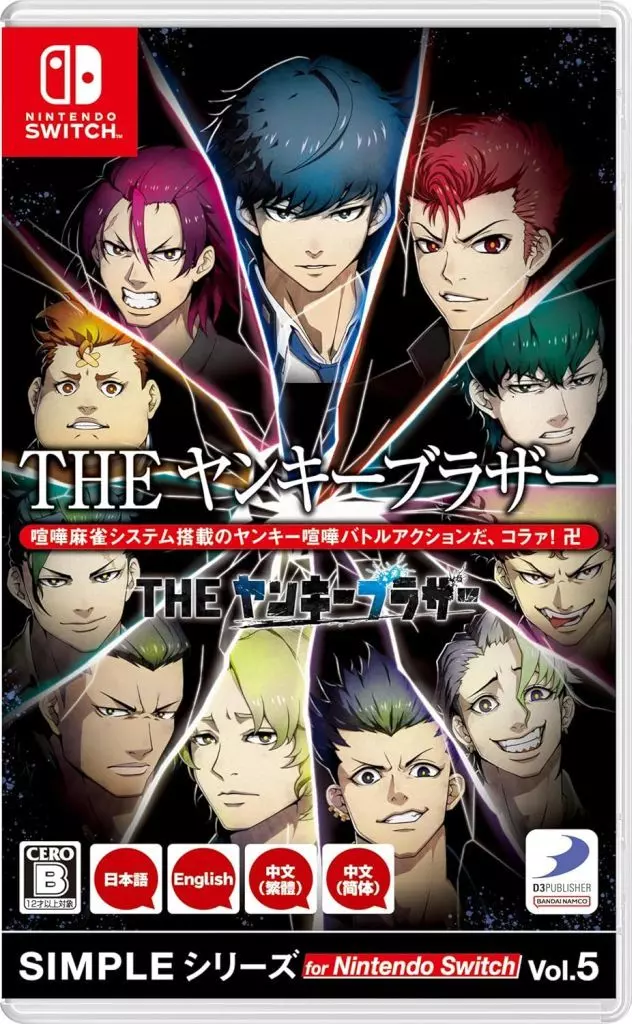
NS SIMPLE 系列 Vol.5 THE 壞人兄弟
- 定 價: 2,800円
- 售 價: 0.00
- 庫存量: 0 套
- 已賣出: 0 套
 人氣指數: 0.3 / 6 顆星
 -
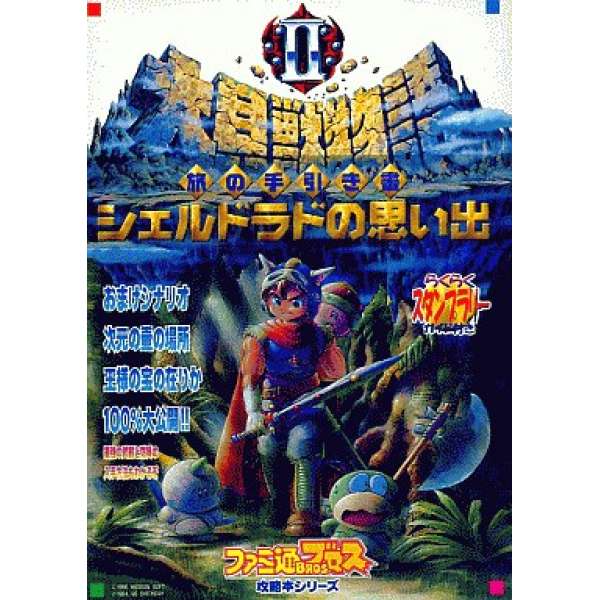
SFC 大貝獸物語2 攻略指南
- 定 價:
- 售 價: 0.00
- 庫存量: 0 套
- 已賣出: 0 套
人氣指數: 0.6 / 6 顆星 -
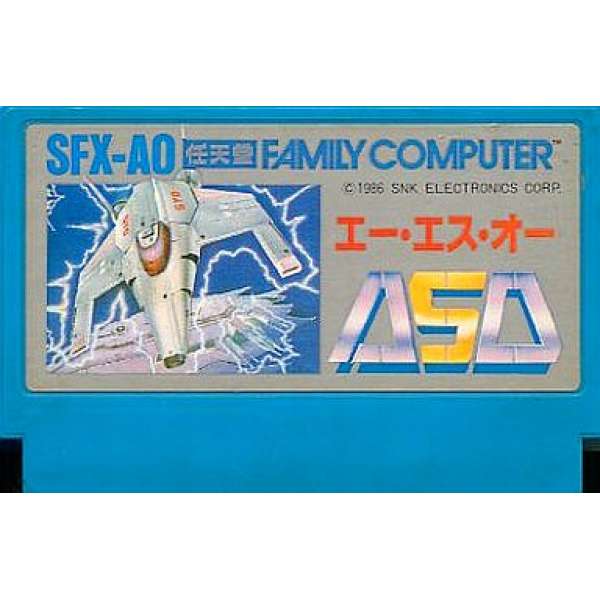
ASO戰機 (無書盒)
- 定 價:
- 售 價: 0.00
- 庫存量: 0 套
- 已賣出: 0 套
人氣指數: 0.6 / 6 顆星