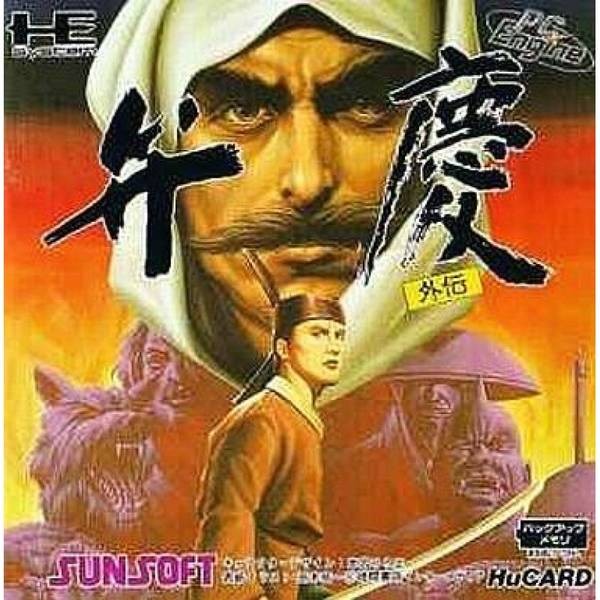
忍者 阿修羅
1987年4月5日,由UPL公司推出的街機版《忍者君:阿修羅之章》(Ninja-kun: Ashura no Shou / 忍者くん 阿修羅の章)是80年代街機黃金末期的一部動作經典,以其高度的技術美學和操作深度,成為當時硬派玩家心中的標杆之作。作為《忍者君》系列的正統續作,徹底打破前作單一畫面的跳躍設計,採用當時極為先進的「全方位自由捲軸」技術,帶來更自由、立體化的冒險體驗。其高難度操作、慣性物理反饋,以及充滿詭譎妖怪氛圍的百鬼夜行世界,讓玩家在遊戲過程中感受到強烈的緊張與沉浸感。
本作的技術表現極為突出。在街機硬體支持下,畫面流暢度超越同期大多數橫向捲軸遊戲。地圖設計兼具垂直與斜向空間感,場景從深邃的海底、岩漿橫流的洞穴到高聳入雲的城池,需在不同維度間自由穿梭。主角小忍者的動作模組極其豐富且具有重力感,包括牆壁反彈(三角跳)、水下潛航,以及斜坡滑行。配樂節奏緊湊、充滿東方電子神祕感,與密集的敵人與子彈形成高度協調,營造出極強的戰場壓迫感。
故事劇情背景設於一個被妖魔侵蝕的虛構日本。強大的魔王「阿修羅(Ashura)」覺醒,率領由河童、天狗、化貓、骨龍等妖怪組成的軍隊橫掃人間。小忍者為了剷除魔根,必須單槍匹馬闖入阿修羅的領域。遊戲共設計三十一個關卡,每一關都包含通往下一階段的挑戰。玩家需要逐步擊敗阿修羅的幹部,最終在充滿地獄氣息的最終聖域與阿修羅決戰。這不僅是一場武力對決,更是一場對玩家反應、策略與操作精準度的全面考驗。
操作系統方面,提供極高的技術深度,核心在於對「物理慣性」和「資源管理」的精準掌控。多功能武器系統允許玩家根據情況切換武器,包括三向散開鐮刀對付飛行敵人、火炎瓶對付重裝甲敵人,以及爆裂彈,每種武器的軌跡與判定不同,需要玩家即時做出判斷。經典的「踩頭」機制被保留並強化,從高處跳下踩在敵人頭頂可使敵人進入短暫暈眩狀態,玩家可趁機補刀或將其踢落懸崖。此外,遊戲設計了大量水下關卡,玩家可在水中戰鬥,但需要面對速度極快的水中敵人。牆壁反彈操作判定嚴苛,是區分新手與高手的技術分水嶺。
市場評價方面,在街機市場獲得極高專業肯定,被認為是80年代最具「操作含金量」的動作遊戲之一。評論家讚賞其豐富多變的關卡設計和獨特美術風格,認為UPL成功在可愛的角色外表下包裹一個冷酷且硬核的遊戲靈魂。創新的全方位捲軸和武器切換系統也對後來許多忍者題材動作遊戲產生深遠影響。雖然遊戲難度極高,新手玩家容易挫敗,但對追求極致操作與關卡攻略的硬派玩家而言,這款街機原版提供無與倫比的成就感。即使數十年後,它仍是動作遊戲愛好者反覆鑽研的對象,不僅是一款遊戲,更是80年代開發者如何利用有限硬體創造出無限動態深度的藝術里程碑。
Released on April 5, 1987, by UPL, the arcade version of Ninja-kun: Ashura no Shou (Ninja-kun: Ashura Chapter / 忍者くん 阿修羅の章) is a quintessential action masterpiece from the late golden era of 1980s arcades, celebrated for its technical artistry and deep gameplay. As the official sequel to the Ninja-kun series, this title completely overturns the single-screen jumping mechanics of its predecessor, adopting the then-advanced “full-range free scrolling” system, which delivers a freer and more three-dimensional adventure experience. Its high-difficulty controls, inertia-based physics feedback, and eerie, yokai-filled world of nightly parades of monsters left an indelible mark on hardcore arcade players.
The technical execution of Ninja-kun: Ashura no Shou is exceptional. Leveraging arcade hardware, the game achieves fluid visuals far beyond most contemporary side-scrolling titles. Its level design incorporates both vertical and diagonal spaces, ranging from deep underwater environments and lava-filled caves to towering castles, requiring players to navigate across multiple dimensions. The protagonist, a small ninja, is equipped with a highly refined action set featuring gravity-aware movements, including wall rebounds (triangle jumps), underwater propulsion, and slope sliding. The music is tightly paced and infused with a mysterious Eastern electronic aesthetic, perfectly complementing the dense enemy and projectile patterns, creating an intense sense of battlefield pressure.
The story unfolds in a fictional Japan overrun by demons. The powerful demon king Ashura awakens and commands a monstrous army composed of kappa, tengu, bakeneko, and bone dragons to wreak havoc on the human world. The small ninja must venture alone into Ashura’s domain to eradicate the evil at its source. Spanning 31 intricately designed stages, players gradually defeat Ashura’s lieutenants, culminating in a climactic showdown with Ashura himself in a hellish final sanctuary. The game tests not only combat skill but also players’ reflexes, strategy, and precision.
Gameplay mechanics emphasize technical mastery over raw speed, with a strong focus on inertia and resource management. The versatile weapon system allows the player to switch between tools, including three-way scythe attacks for flying enemies, Molotov cocktails for heavily armored foes, and explosive projectiles, each with distinct trajectories and hit properties. The classic “stomp on head” mechanic is retained and enhanced: jumping from above onto enemies temporarily stuns them, enabling follow-up strikes or tactical throws off ledges. The game features numerous underwater stages, where combat continues but with faster aquatic enemies. Wall-rebound maneuvers demand precise timing, serving as a skill benchmark separating novices from experts.
Critically, Ninja-kun: Ashura no Shou received widespread acclaim in the arcade scene and is considered one of the most technically rewarding action games of the 1980s. Reviewers praised its varied and intricate level design, unique art style, and the way UPL embedded a hardcore, uncompromising gameplay core beneath its seemingly cute character design. The innovative full-range scrolling and weapon-switching mechanics influenced many subsequent ninja-themed action games. Though its high difficulty presents a steep learning curve for newcomers, for hardcore players seeking mastery, this arcade original delivers unparalleled satisfaction. Even decades later, it remains a benchmark for action game enthusiasts, standing not just as a game, but as a milestone of 1980s development artistry—demonstrating how limited hardware was pushed to create virtually limitless dynamic depth.
運費計算方式:
貨款滿1000元運費外加90元
貨款1000以下:買1件運費外加 60元,買2件運費外加 70元,
買3件運費外加 80元 ,買4件運費外加 90元
貨到付款外加30元手續費
外島及大陸地區運費另計
付款方式:
線上刷卡:本站採用Paypal線上刷卡
虛擬帳號匯款:屬於您專屬的虛擬帳戶,方便站長查帳使用,本站強力推薦
實體ATM匯款:請將匯款帳號記錄下來至各大銀行ATM提款機轉帳
超商條碼繳費:請列印本站提供的條碼至四大超商繳費
線上轉帳:透過玉山銀行線上ATM轉帳(此系統只支援IE瀏覽器)
貨到付款:本站採用黑貓宅急便貨到付款
其他注意事項:
如需購買線上點數卡請直接跟站長連絡,本站不提供點數卡的線上付款